Art Historian · Author · Working Artist
Helen Thornton Powles
Scholar, artist, and author of studies that move between the verbal and the visual — from medieval Northumbria to visionary London, from saint’s life to symbolic line.






Bibliography
Works by Helen Thornton Powles
From a rigorous study of William Blake’s engraved line to a novelistic exploration of a seventh-century Anglo-Saxon saint — Helen Thornton Powles’s writing moves fluidly between art history, biography, and historical narrative.
Art History · Blake Studies
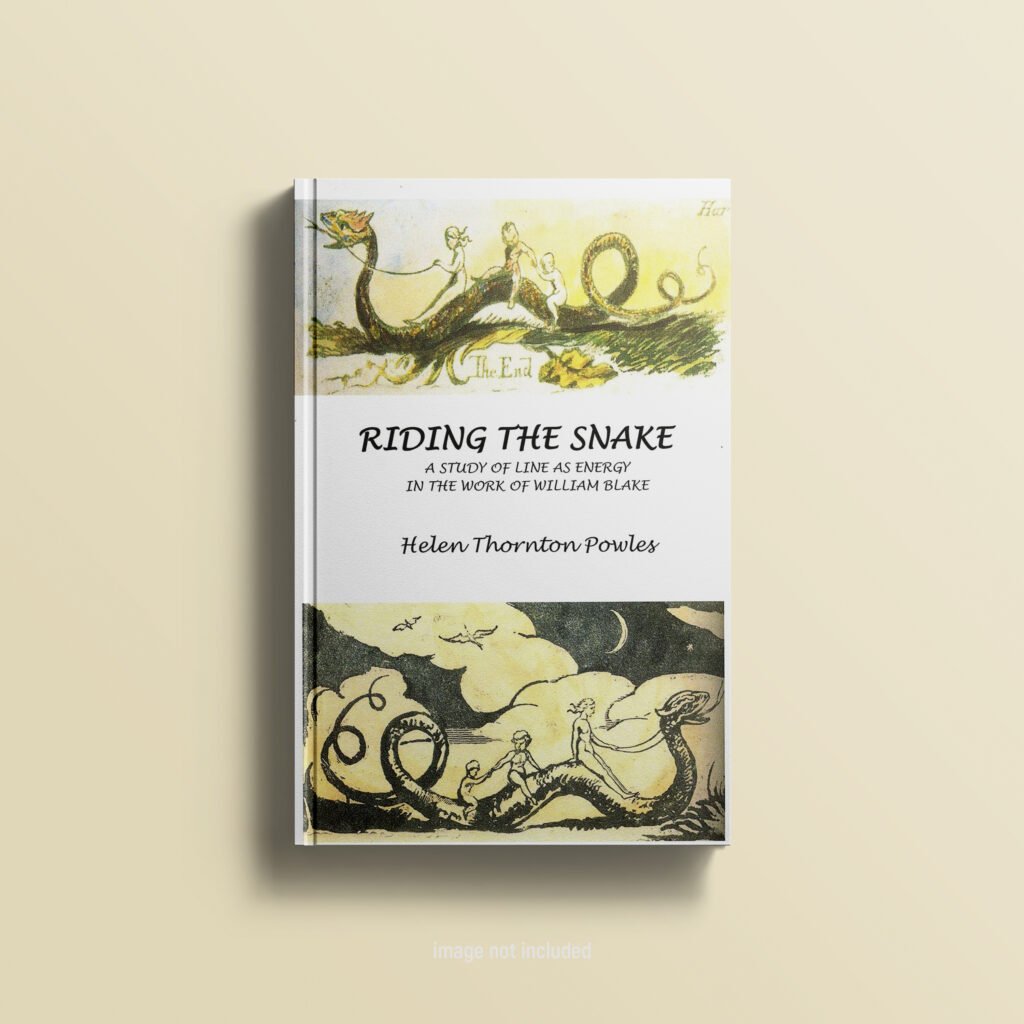
Riding the Snake
A Study of Line as Energy in the Work of William Blake
A rigorous and intimate study tracing how Blake's line — graphic, poetic, symbolic, divine — embodies the raw creative energy that animated one of history's most misunderstood geniuses. Structured across five parts from biography to vision.
Historical Narrative · Medieval
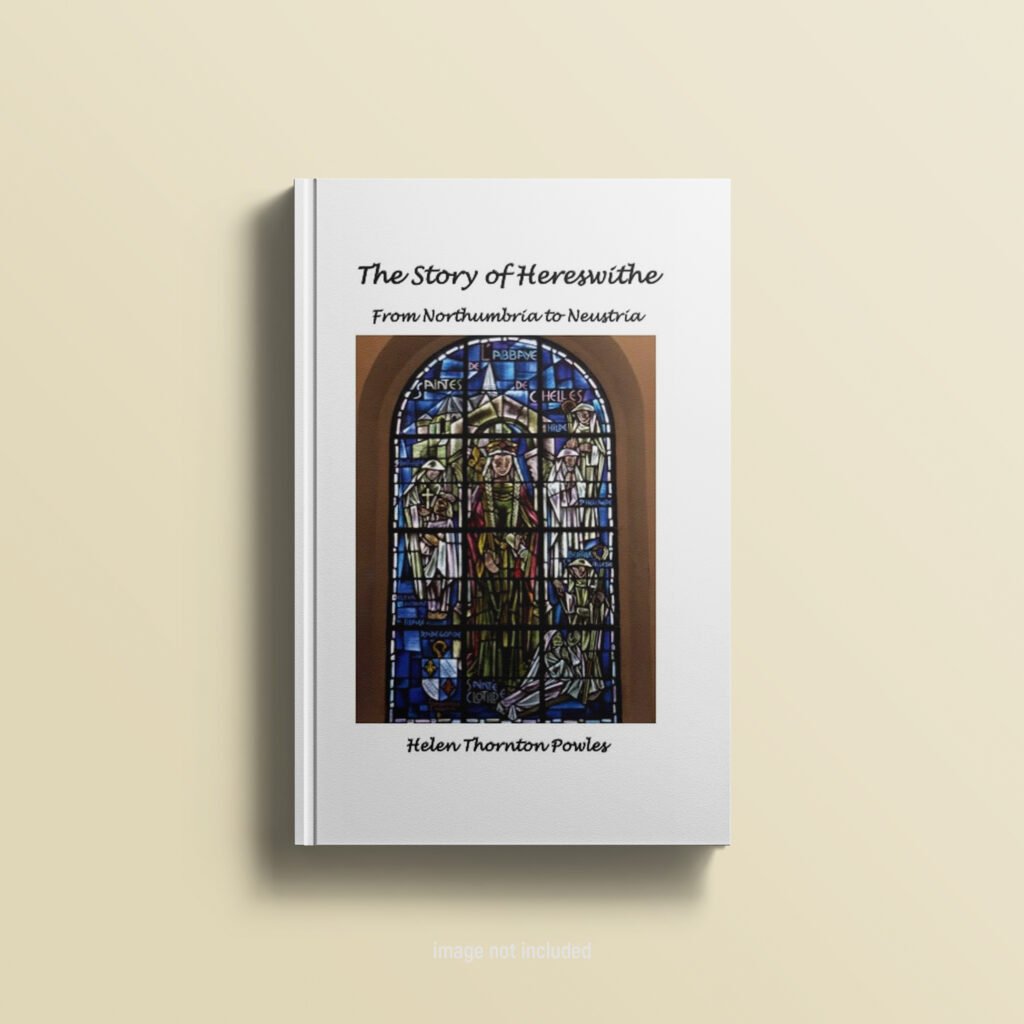
The Story of Hereswithe
From Northumbria to Neustria
The life of Hereswithe — Anglo-Saxon princess, mother of saints, abbess in seventh-century Frankia. A narrative that spans two kingdoms, two cultures, and the extraordinary spiritual landscape of early medieval Europe.
Récit Historique · Médiéval
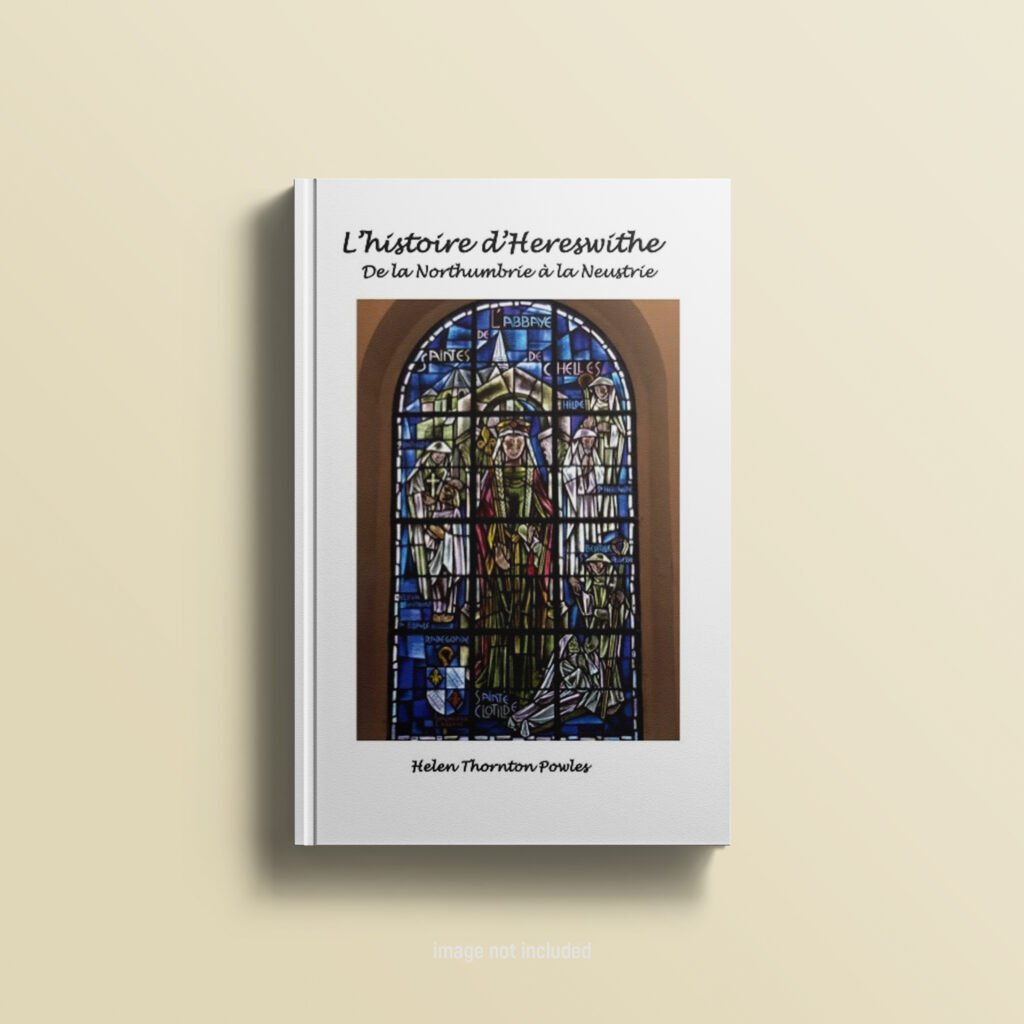
L'Histoire d'Hereswithe
De la Northumbrie à la Neustrie — Édition française
L'édition française du récit de la vie d'Héreswithe — princesse anglo-saxonne, mère de saints, abbesse dans la Neustrie du septième siècle. Un récit qui traverse deux royaumes et deux langues.
About the Author
Between the verbal and the visual
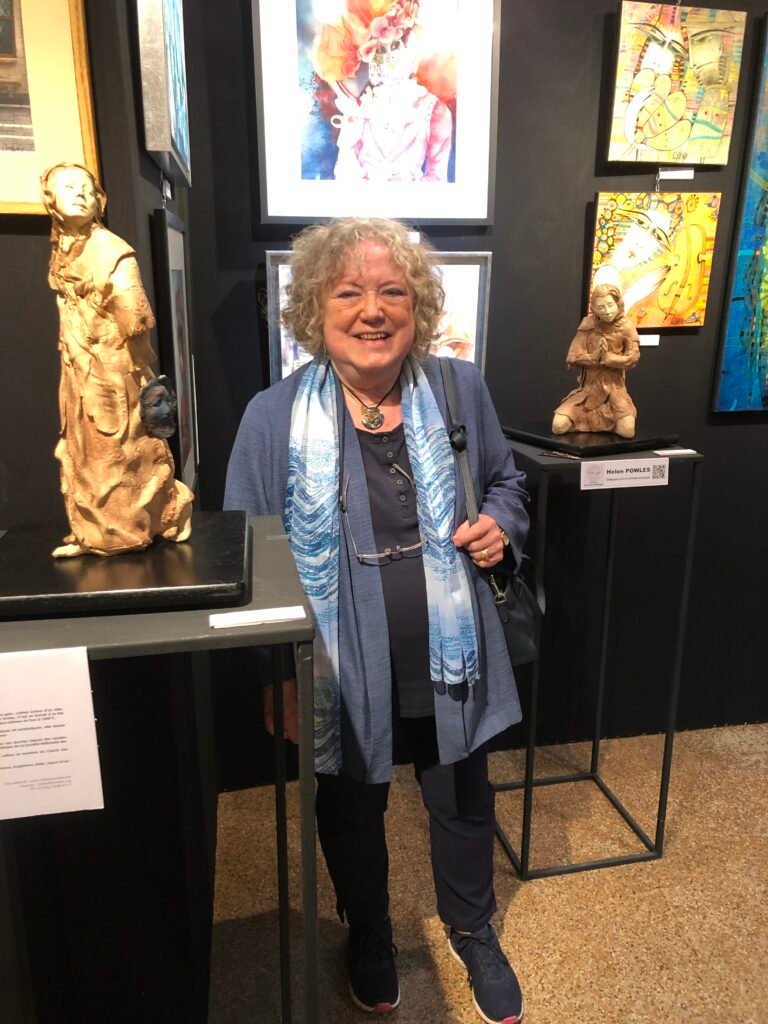
Helen Thornton Powles is an art historian, scholar, and working artist who has spent her career at the intersection of image and word — a tension she shares with her most celebrated subject, William Blake.
Her scholarly work on Blake, Riding the Snake, emerged from years of research into his practical craftsman’s approach — the line in all its forms — as the key to understanding his extraordinary creative energy. Her more recent work turns to the medieval world, bringing the same careful attention to the life of Hereswithe, a seventh-century Anglo-Saxon saint who journeyed from Northumbria to the abbeys of Frankia.
Writing in both English and French, Powles brings a European breadth to her work — as comfortable in the Neustrian abbeys of the seventh century as in the engraving workshops of eighteenth-century London.
William Blake
The Misunderstood Genius at the Centre
William Blake (1757–1827) was poet, painter, engraver, and prophet — and in his own lifetime, barely noticed. The meagre obituary in the Literary Gazette of August 1827 reported with disdain that he had left “nothing except some pictures, copperplates, and his principal work.”
What he actually left behind is what Powles’s study sets out to measure and to understand — taking as its starting point the one thread that runs through everything Blake made: the line.
1,200
Illustrations made for other writers' works
500
Separate designs and paintings
375
Engraved plates for his own prophetic canon
1757
Born in Soho, on the cusp of empiricism and Romanticism
Themes running through
Riding the Snake
Line as Energy
The line as vehicle of creative force — not mere outline but embodied movement, tension, and release.
The Serpent Symbol
Primitive energy beyond Christian sin — the excess that must be ridden, mastered, and directed.
Engraving & Vision
How the craftsman's discipline of the burin shaped Blake's prophetic symbolic language.
Word & Image Unified
The integration of poetic line and visual line into a mythological system unlike any other.
One thought can fill immensity.
— William Blake, as cited in Riding the Snake
Voices of Readers
What Readers Think
About The Book
"Powles brings something rare to Blake scholarship — the eye of a practising artist combined with the rigour of an art historian. Her concept of the 'line as energy' unlocked aspects of Blake's visual work I had studied for years without truly seeing. A quietly revelatory book."
"I came to this book as a Blake enthusiast, not a scholar, and found it completely accessible without ever feeling simplified. The five-part structure builds beautifully, and the final chapter on Creative Energy as the 'bottom line' stayed with me long after I finished."
"Powles writes about the seventh century the way the best historical novelists do — with deep research worn lightly. Hereswithe comes alive as a real woman navigating two worlds: Anglo-Saxon Northumbria and Frankish Neustria. Elegant, moving, and thoroughly researched."
Stay in Touch
Follow the Research
Receive updates on new books, essays, and ongoing explorations of art history, medieval narrative, and the line between image and word.
Occasional updates only. No spam, ever.